SEO and SEM are among the most confused terms in marketing, partly because their meaning has drifted. Get the relationship right and the choice between them becomes clear; get it wrong and you end up comparing a whole to one of its parts.
The terms, defined
Search engine marketing (SEM) is the broad practice of gaining visibility on search engines. Search engine optimization (SEO) is the part of that practice concerned with earning unpaid, organic rankings. In its original and most correct usage, SEM is the umbrella and SEO sits underneath it, alongside paid search.
In common usage, though, SEM has narrowed to mean paid search specifically — the ads at the top of the results. So when people say "SEO vs SEM" they usually mean "organic vs paid search." Both readings appear in the wild; what matters is being clear which one you mean.
How they differ in practice
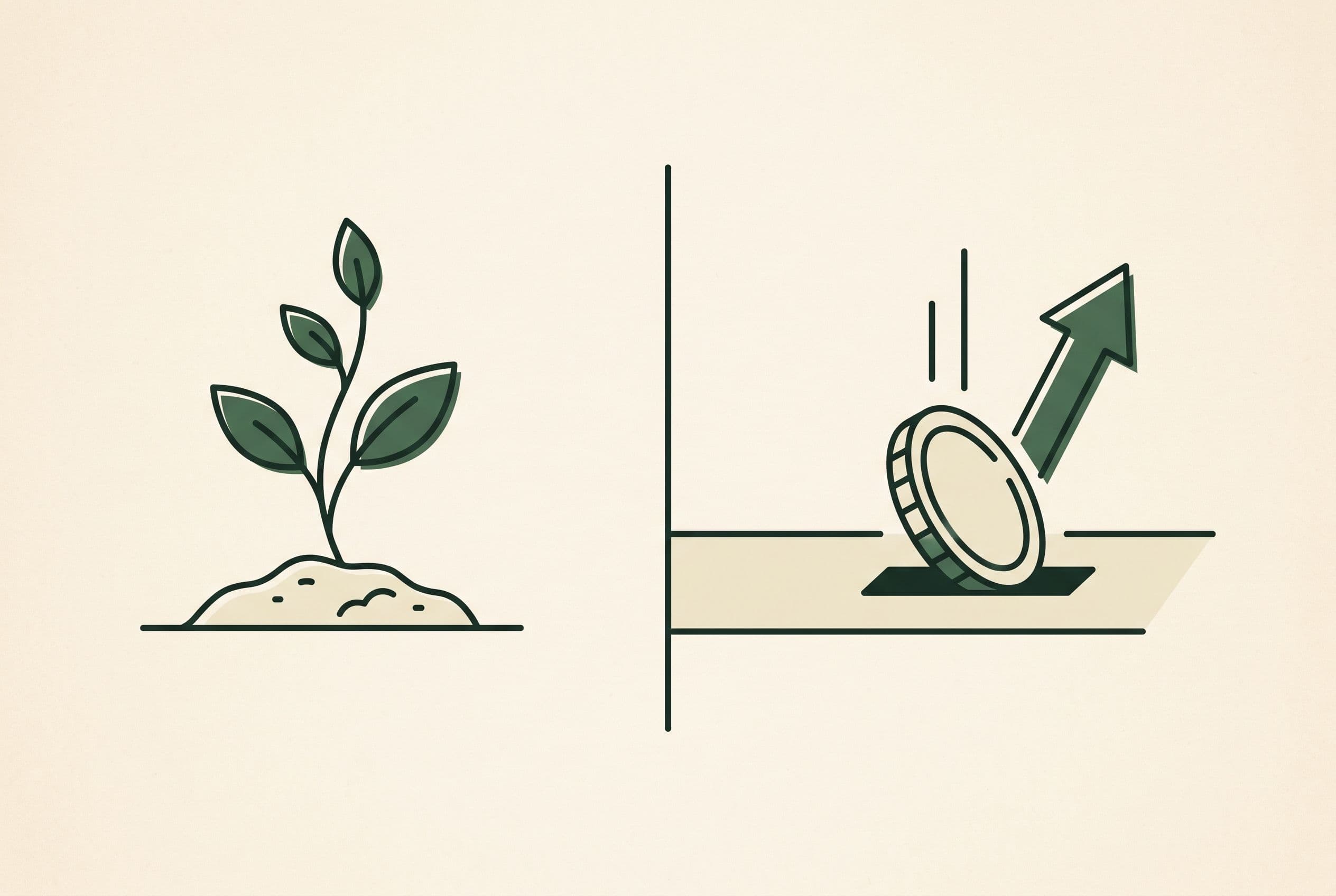
The core difference is how you get the click. SEO earns placement by making pages the best available answer, which search engines rank for free. Paid search buys placement through an auction, paying each time someone clicks. One is an asset you build; the other is a tap you turn on and off.
That difference shapes everything downstream. Organic results take time to build and compound, then keep delivering after the work is done. Paid results appear immediately and stop the moment the budget does. Neither is inherently better — they trade speed for durability in opposite directions.
Cost and timing
Paid search has an obvious, ongoing cost: you pay per click, and the traffic ends when spending ends. Its advantage is speed and control — you can be on the results page for a query today. You can size the economics with a CPM/CPC/CPA calculator.
SEO's cost is front-loaded into content and technical work, with little marginal cost per visit afterward. Its disadvantage is time: rankings build over weeks and months, not days. The payoff is that a page which ranks keeps earning traffic without paying for each click.
How to choose
Use paid search when you need traffic now, are testing demand, or are targeting high-intent queries where immediate visibility is worth the click cost. Use SEO to build a durable, compounding channel for topics you'll care about for years. Most mature programs run both: paid to capture demand today, organic to lower the long-run cost of capturing it tomorrow.
They also inform each other. Paid search reveals which queries convert, which tells you where SEO investment will pay off; strong organic content improves the landing pages that paid traffic lands on. Treated as complements rather than rivals, each makes the other cheaper.
The takeaway
SEO is a subset of SEM, and in everyday speech "SEM" means paid search. The real decision is not which acronym to pick but which trade-off you need right now: the immediacy and control of buying traffic, or the durability and compounding economics of earning it. Long term, the two work best together.